
Residential Fire Sprinklers in Flagstone & South East Queensland
Specialist fire sprinkler installation and maintenance for homes, apartments and SDA housing, installed to Australian Standards.

Call us, or send an enquiry and we'll get back to you.
Fire sprinklers for homes, apartments and SDA housing
SafeFlow installs, tests and maintains domestic and residential fire sprinkler systems across Brisbane, Logan, Ipswich, the Scenic Rim, the Gold Coast, the Sunshine Coast and surrounding areas.
We work on new homes, multi-residential developments, accommodation buildings and Specialist Disability Accommodation (SDA), including High Physical Support housing.
Led by licensed plumber John Coyle, with QBCC endorsement in domestic and residential fire protection, every installation follows the approved design, the applicable Australian Standards and the National Construction Code (NCC).
What we look after
- Sprinkler pipework and fittings
- Concealed and exposed sprinkler heads
- Control valves and assemblies
- Pumps and water tanks
- Testing and commissioning
- Inspection and maintenance (AS 1851)
Early fire suppression can save lives
Home fires can spread fast, with intense heat and smoke within minutes. Smoke alarms warn people. Fire sprinklers help control the fire. Together they give complementary layers of protection.
-
Slows the spread
Sprinklers control or suppress a fire early, reducing its spread through the building.
-
Less heat and smoke
Limiting the fire limits heat, smoke and damage to the home.
-
More time to get out
Controlling the fire early gives people valuable extra time to escape.
-
Safer for limited mobility
Extra time matters most for people with limited mobility or support needs.
-
Lower risk of injury
Early control reduces the risk of serious injury and loss of life.
-
Only the heads near the fire
Each head reacts to heat at its own spot, so the whole system doesn't go off at once.
How home fire sprinkler systems work
Each sprinkler head has a heat-sensitive element that opens at a set temperature, releasing water straight onto the area of the fire.
Modern systems can be built into a home without spoiling its look. Sprinkler selection, location and installation always follow the approved design.
Discreet options can include
- Concealed sprinkler heads with flush ceiling cover plates
- Recessed or exposed residential sprinkler heads
- Pipework run inside ceiling and wall cavities
- Control assemblies in a designated service area
Inside a home sprinkler system
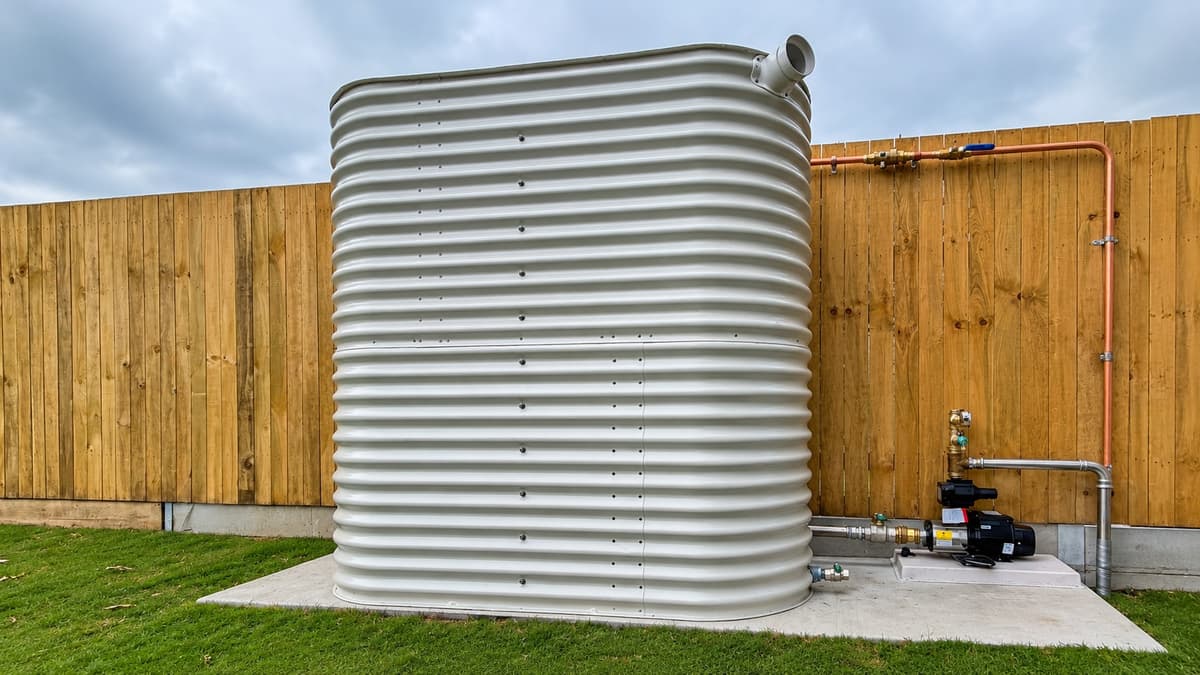
Tank and pump installation 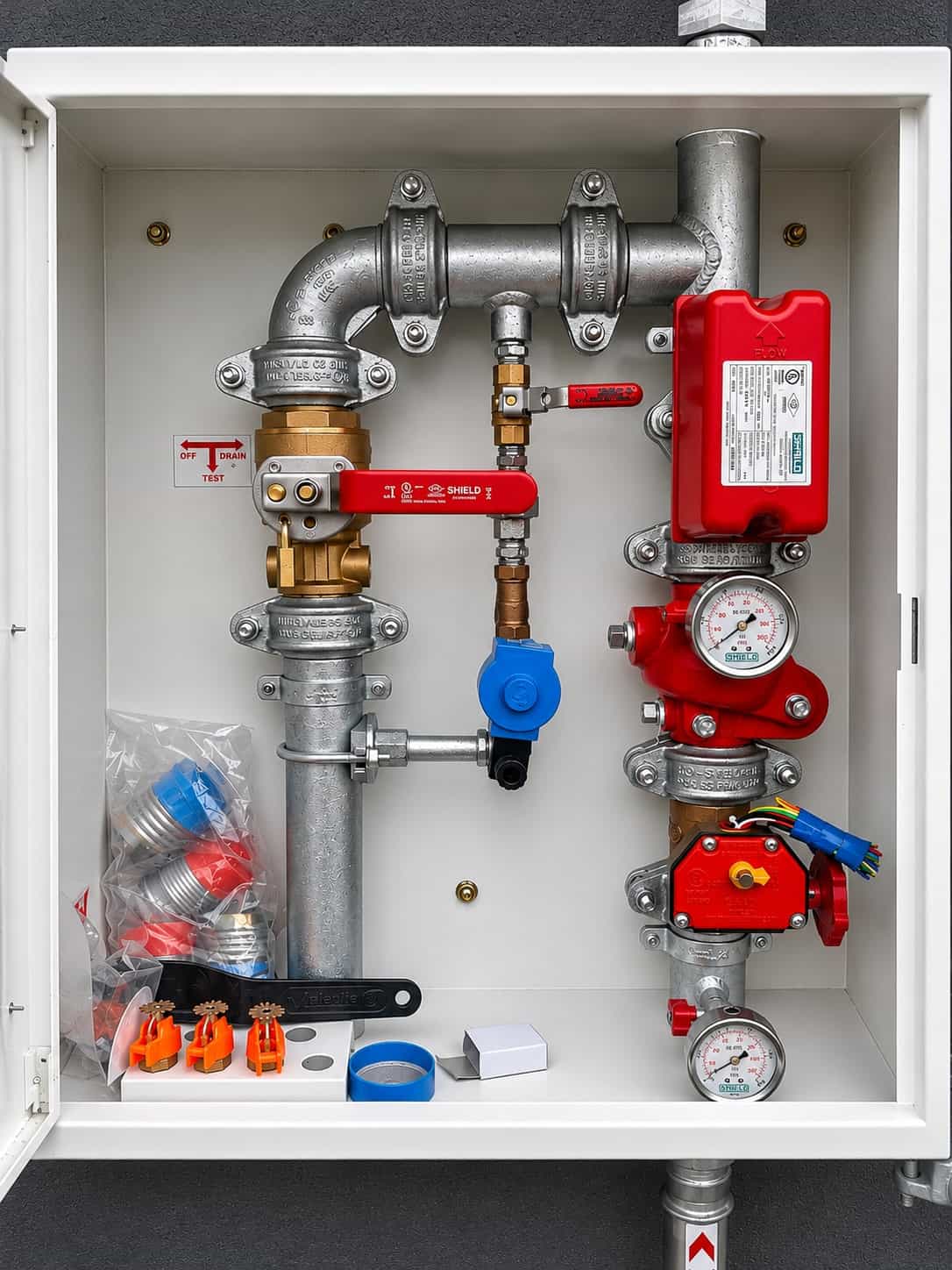
Sprinkler control valve assembly 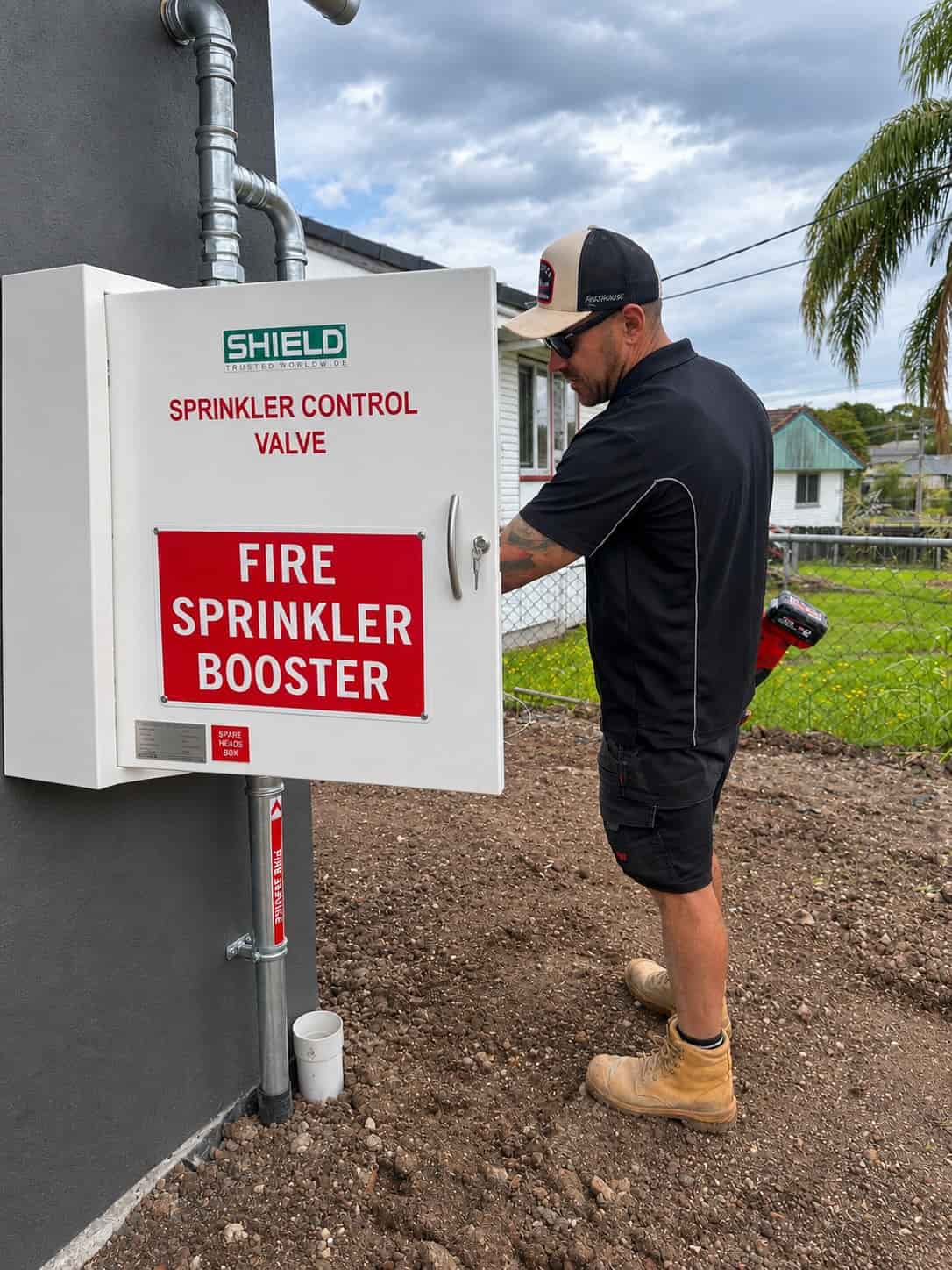
Control cabinet maintenance


Specialist installation, from pipework to commissioning
A residential sprinkler system depends on accurate installation, the right components and a reliable water supply.
-
Step 1: Pipework and fittings
Approved pipework, fittings and supports, with care over sizing, routing and other building services.
-
Step 2: Sprinkler heads
Specified concealed or exposed heads, positioned and oriented for the intended coverage.
-
Step 3: Control assemblies
Control and isolation valves, gauges, flow switches and test connections as designed.
-
Step 4: Pumps and tanks
Dedicated tanks, pumps and supply connections where the design needs them.
-
Step 5: Testing and commissioning
Checking the installed parts and system operation meet the project requirements.
Sprinkler pipework through the roof space
In a new build, sprinkler pipework runs through the roof trusses before the ceilings go in. Getting the routes, supports and head positions right at this stage is what makes the finished system work as designed.
For SDA and High Physical Support homes, where residents may need help to leave, sprinklers give occupants and support workers extra time. Requirements depend on the building class, the NCC and the approved fire safety design.
- Pipework coordinated with other services
- Heads placed to the approved design
- Ready for ceilings and commissioning
AS 2118.4 and AS 2118.5 fire sprinkler installation
Residential fire sprinkler installation is specialist plumbing work that needs the right qualifications and a good understanding of fire protection requirements.
The correct standard, design and approval pathway is set for each project, and settling the fire protection requirements early avoids costly changes and delays later. SafeFlow works with builders, designers and other project teams so the installation matches the approved documents.
Standards and codes
- AS 2118.4: accommodation buildings up to four storeys (within its scope)
- AS 2118.5: home fire sprinkler systems
- National Construction Code (NCC): fire safety by building class
- Approved project designs and specifications
Reliable water, and a system that stays ready
A correctly installed system still depends on an adequate water supply. Some systems run from the mains; others need dedicated tanks and pumps to meet the design's flow, pressure and run time. SafeFlow installs the specified pumps, tanks, control assemblies and pipework.
Regular inspection, testing and maintenance catch faults before they matter, from sprinkler heads and pipework to control valves, gauges, pumps and tanks. Where AS 1851 (routine service of fire protection systems) applies, servicing follows its inspection and testing requirements. Intervals depend on the system type and your obligations.
Water supply considerations include
- Required sprinkler water flow and pressure
- Available mains water supply
- Required operating duration
- Number of sprinkler heads designed to operate
- Pipework sizing and hydraulic performance
- Pump and tank requirements
- Control valves, testing and monitoring equipment
What South East Queensland locals say
RynoGoogle review Outstanding service, Outstanding attention to detail. John, and his crew move mountains to get the job done right. Would give 7/5 stars if google would allow.
GlennGoogle review John was a pleasure to work with in all aspects. He was on time, thorough and more than happy to explain exactly what he was doing and why. Would definitely use his services again.
ShelzaGoogle review We needed a plumber urgently as we discovered a concealed leak 3 weeks after purchasing our home. John turned up the same afternoon and fixed the problem. Thanks John for your great service.
Got questions?
It depends on the building class, the NCC and the approved design. Not every home needs one, but systems can be installed voluntarily where suitable.
AS 2118.4 covers certain accommodation buildings up to four storeys. AS 2118.5 covers home fire sprinkler systems. The building and approved fire safety requirements decide which applies.
It depends on the building class and approved fire safety design. The SDA design category alone doesn't decide whether sprinklers are mandatory.
Yes. Concealed heads with discreet ceiling cover plates can be used where the approved design allows.
Not always. Some run from a suitable mains supply; others need a tank and pump to meet the design.
Yes, where a suitable system can be designed and installed. The layout, water supply and access need assessing first.
No. Each sprinkler head opens on its own when it is exposed to enough heat, so water only discharges in the area of the fire.
It depends on the system type and the regulations that apply. Where AS 1851 applies, servicing must follow its inspection and testing requirements.
It depends on the building size, the number and type of heads, pipework, water supply, pumps and tanks. Call John on 0410 543 218 for a project-specific quote.
More from SafeFlow across South East Queensland
-
-
-
-


Let's discuss your project
Whether it's a fire sprinkler installation, bushfire protection, an SDA property or a plumbing job, call John or send a few details and he'll get back to you.
Tell John about your project
Send through a few details to discuss your requirements, request a quote or arrange a service. Rather talk? Give John a call.